
Grace for the Ashamed: Where Healing Begins
By Vlada Stojanovic

“Adam and Eve brought shame upon themselves by eating the fruit, losing the honour they once had.”
When we understand what shame truly is and how deeply it affects both individuals and communities, we begin to see more clearly how Jesus addresses it—both through His life and His death. Although Christians often speak about shame, it is frequently confused with guilt. Guilt tells us that we have done something wrong; shame tells us that we ourselves are wrong. While guilt can be repented of, shame attacks our identity and creates a painful sense of worthlessness.
Shame drives us to hide, to pretend, and to project a false self in order to be accepted, leaving us disconnected from God, others, and even ourselves. Researcher Brené Brown defines shame as “the intensely painful feeling that we are unworthy of love and belonging.” This is why confession alone does not heal shame. Those who carry shame are not just longing to know they are forgiven; they are longing to know they can be cleansed, restored, and made whole again, in relationship with God and others.
“[Shame] creates fear and self-monitoring instead of growth, and suppresses authenticity by discouraging honesty and emotional vulnerability.”
Debunking the Shame
Shame is often misunderstood as simply “looking bad” in front of others. In reality, looking bad is unavoidable in human life. The real problem is not imperfection itself, but the belief that we must never appear imperfect before those people whose opinions matter to us. This belief creates fear and self-monitoring instead of growth, and it suppresses authenticity by discouraging honesty and emotional vulnerability. As a result, true intimacy becomes difficult because people hide parts of themselves to avoid negative judgment. Rather than becoming more responsible, they become more guarded, reserved, and disconnected.
The issue, then, is not that we sometimes fail publicly, but that shame convinces us our failure makes us unacceptable. From shame grows three powerful forces: secrecy, silence, and judgment. When these take root, shame spreads into every area of life. It shapes our identity, our thinking, and how we view others.
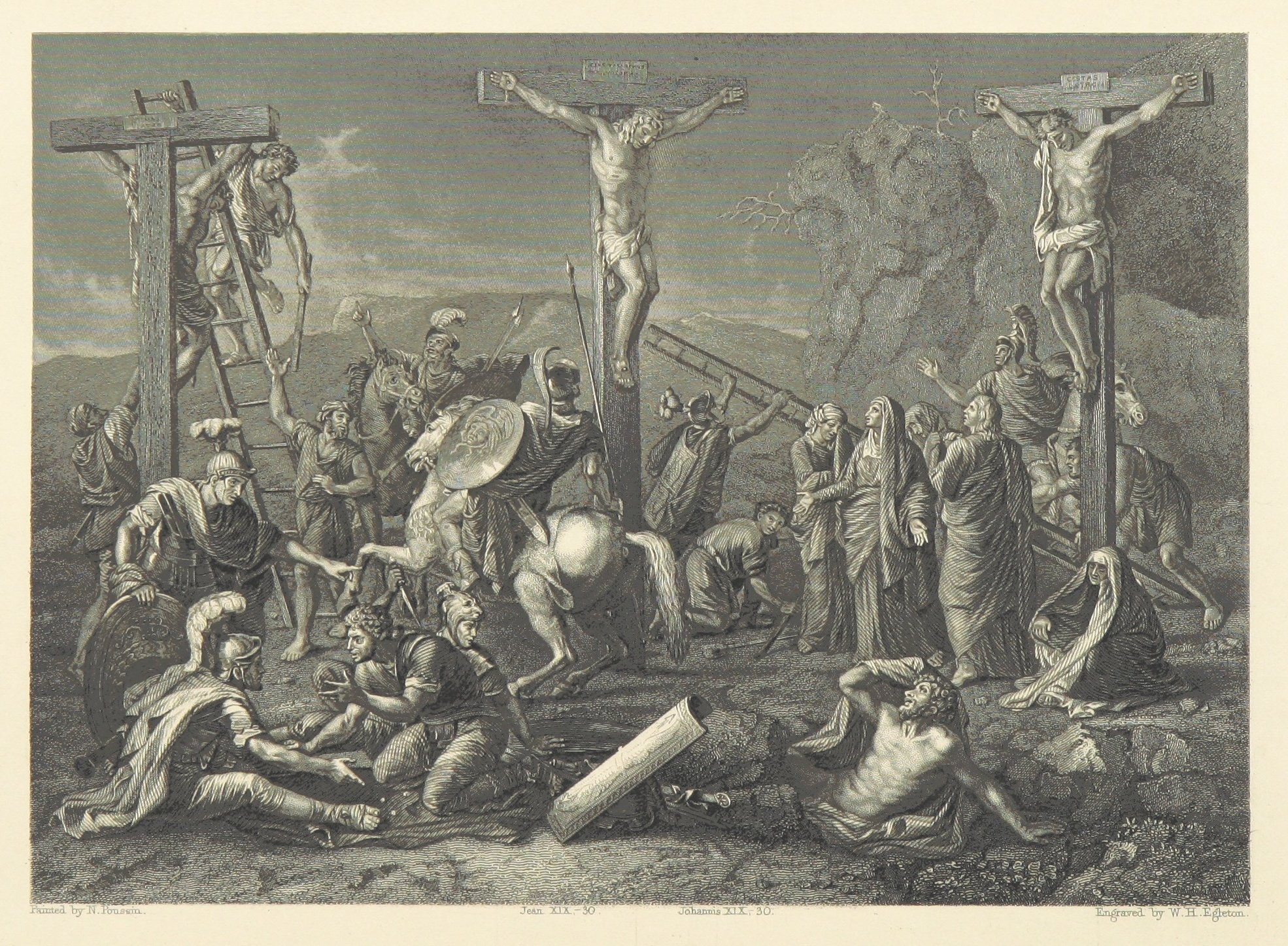
“This communal understanding of shame also influences how people respond to the message of Christ. A crucified Messiah appears not only foolish but deeply shameful.”
Shame Across Cultures: A Western and Eastern Perspective
It’s important to note that shame in a Western cultures takes a different form than in the Majority World cultures. Western shame is more private and personal, centred on the individual and his or her internal feelings. Eastern shame is public and communal, arising from others’ negative evaluation and the community's reputation. The antonym of shame in Western societies tends to be self-esteem: “I think highly of myself”; whereas the opposite of Eastern shame is honour: “others respect me.” Shame in Western cultures is less contagious - an individual’s actions do not significantly affect their family’s reputation. But the seedbed of shame in many Eastern cultures is shaped by a strong sense of community, in which the opinions of others carry great weight. Life is lived under the constant awareness of watching eyes, and public reputation matters deeply. When neighbours become critics, and the community becomes a court of judgment, shame grows powerful and personal, affecting not only the individual but the entire family or group.
This communal understanding of shame also influences how people respond to the message of Christ. A crucified Messiah appears not only foolish but deeply shameful. To be crucified was to die the lowest and most dishonourable death imaginable, completely rejected by society. For someone who claimed to be the Son of God, such an end seemed unthinkable and offensive. That is why the apostle Paul writes that Christ crucified was a “stumbling block” and “foolishness” to many (1 Corinthians 1:23).

“[Jesus] He had the boldness to disregard shame because it was ultimately inconsequential in God’s plans from the beginning.”
Despising Shame
Jesus…who for the joy that was set before him endured the cross, despising the shame, and is seated at the right hand of the throne of God. - Hebrews 12:2 ESV
Shame controls and defines us only when we live in fear of it. But the reality is that shame has no actual power over believers. A key strategy for overcoming shame is to expose and despise it. Despising shame means ignoring its threats. We shame shame as a despicable outsider with no place in our lives. According to Hebrews 12:2, Jesus shamed the shame. He had the boldness to disregard shame because it was ultimately inconsequential in God’s plans from the beginning.
Adam and Eve brought shame upon themselves by eating the fruit, losing the honour they once had. Their new knowledge led them to cover their nakedness, which is the product of shame. Before, they didn’t know shame, but their actions ushered it in. Not only this, but when faced with God, they threw the blame on others to divert it from themselves. Shame brings isolation, mistrust, and broken relationships, meaning that only a renewed relationship can heal it. Galatians 4:4-5 says, “when the time had fully come, God sent his Son, born of a woman, born under law, to redeem those under law, that we might receive the full rights of sons.” Christ’s death bestows on us the honour of legitimate children, re-instated in the Garden of Eden, welcoming us back to His family table, despite knowing all about our shame. Finally, we can stand naked (hypothetically) again in the presence of God, removing every layer and every mask, with nothing left to hide, and at the same time experience being fully loved and completely accepted. For a long time, we believed that if our shame were truly known, we would be rejected. So, we wore heavy masks shaped by other people’s expectations just to gain a small sense of belonging and love, all the while living in constant fear of being exposed and with a lie eating away inside us: this is not who I really am.

From Covering to Community
Grace for shame is double-sided. On one side, God provides a covering to remove our nakedness and shame. On the other side, someone sees through our darkness and still reaches out to us in love. Shame is not healed only by God's forgiveness, but also by being received in grace by others.
From the beginning, God showed His heart for the ashamed. When Adam and Eve sinned, He made coverings for them from animal skins to hide their nakedness and restore their dignity. Throughout history, God repeatedly provided coverings for sin, yet none of them was sufficient on its own. They were substitutes and shadows pointing forward to the final and perfect covering—Jesus Christ. In sending His Son to bear the penalty of sin, God removed the ultimate source of shame and restored to Himself a people clothed in honour and righteousness. As Scripture says, “For all of you who were baptized into Christ have clothed yourselves with Christ” (Galatians 3:27 NIV). Also, we see that covering of our nakedness goes hand in hand with reaching out to victims of shame. Jesus’ ministry often focused on restoring the honour of those whom society rejected and labelled as shameful. Zacchaeus was despised as a dishonest tax collector, yet Jesus reached into his life and transformed him. Jesus continually reached out to the outcasts, and instead of rejecting them, He restored them through love and acceptance.
“The church is meant to be the embodiment of grace for shame: the visible arms of Christ reaching into wounded lives.”
In healing shame, it is not enough to invite people to accept Jesus as their covering for shame. We must also invite them into the family of God, where they can experience what it means to take off the masks of this world and feel the reaching hands of Christ through brothers and sisters in the church. Grace for shame is deeply relational. Healing does not occur in isolation, but in loving connection. Therefore, the quality of our relationships matters. We are called to be a family that people long to belong to. In a shame-based framework, the fear is not just of punishment but of rejection. “If people truly knew me, would they still accept me?” Healing from shame requires exposure, vulnerability, and mercy. It means laying down our masks and risking ourselves by placing our brokenness into the hands of others.
This is where the church plays a vital and sacred role. The church is meant to be the embodiment of grace for shame: the visible arms of Christ reaching into wounded lives. God provides the covering; the church becomes the vehicle of His grace. Healing is released through an atmosphere of love and acceptance that invites people to remove false coverings and discover the true covering found in Jesus Christ. When the church becomes a safe place, not a courtroom; a family, not a performance stage; a hospital, not a museum, then people will dare to come into the light. And it is in the light, surrounded by compassion and truth, that shame finally loses its power and hearts are restored to honour.

by Vlada Stojanovic
Born and raised in Nîs, Serbia, Vlada graduated in mechanical engineering before spending four years in the UK training in missions and receiving his education in theology and leadership, whilst working in local churches.
Currently, he is finishing his master’s degree in contextual theology. He is married to Sonja, and they have two children. For the last 20 years, Vlada has been serving in Good News Church in Southern Serbia, one of the least evangelised countries in Eastern Europe, and also works with other local churches to strengthen them and foster unity between them, which overflows into shared church-planting missions.